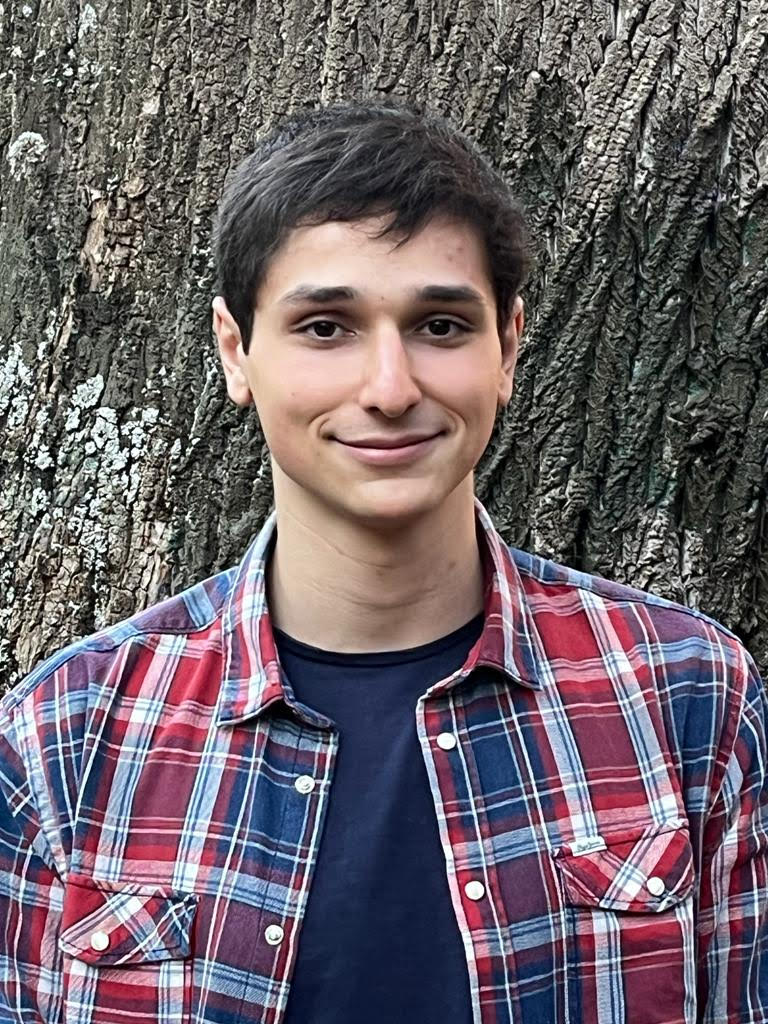
Interview with Iñigo González de San Román, founder of Box Collider Game Studios
Today we’re interviewing Iñigo González de San Román, founder of Box Collider Game Studios — a video game studio specialized in commercial games, gamified solutions for companies and institutions, and outsourcing services for other studios.
How did the idea for Box Collider come about? When did you realize you wanted to start your own game studio?
I’ve always had a strong vocation for video game development, and for a long time I had the idea of starting my own studio in the future. In fact, during university, whenever we had business-related courses (due to the Computer Engineering specialization I chose), I tried to steer them toward entrepreneurship just in case the opportunity ever arose.
After seeing how difficult it was to find stable employment in the industry, and recognizing the needs of the students I teach at Egibide, I decided to create a studio that would allow me to take an important step forward — and also help my students by offering quality internships at a local company.
What motivated you to start a business in the video game industry? What kind of games are you specializing in?
As I said, it was something I’d had in mind for a while, but the situation I mentioned earlier — combined with the support and resources available in Álava, whether from the Provincial Council, the City Council or BIC Araba itself — made it much easier to take the leap. All of that encouraged me to formalize the project.
As for specialization, we work on both commercial video games and gamified solutions for training and prevention, adapting to the specific needs of each client.
How is your team structured and what makes you strong as a group?
In both areas of the company, I’m currently working with an intern named Iker, who started in April and will complete his internship in October. He mainly helps with programming tasks. If all goes well, I’d love to continue working with him beyond the internship.
On the commercial game side, I had to accelerate things more than I originally planned because of our participation in Game.eus. As a result, we’re now developing The Heart of Anathema with a larger team.
I also collaborate with a colleague from my master’s program, Ale, who supports me with production and design tasks.
Personally, I handle design, programming, and project direction.
On the artistic side, I work with three excellent artists — Isa, Rita, and Sergio. Each one has a unique style and strengths, and they complement each other perfectly. I can assign them specific tasks depending on the project’s needs.
How is participating in GAME.EUS helping you as a professional and as a studio?
It’s helping us solidify the project and receive extremely practical and grounded advice, thanks to mentorship from very experienced professionals.
What’s interesting is that the program doesn’t just focus on game development — most of the sessions deal with key areas like marketing, business strategy, or public speaking, which are all crucial for making the project viable.
It has also allowed more of the team to be physically present in the city, which has greatly improved communication and workflow.
Overall, it’s been a fantastic experience — and I’m lucky to be able to enjoy it without even leaving Vitoria.
What’s been the biggest challenge you’ve faced so far? And the biggest lesson learned?
One of the biggest challenges has definitely been speeding up development to meet tight deadlines without compromising quality. But the biggest challenge of all, without a doubt, has been everything related to running the business — from accounting and commercial strategy to team coordination.
As for the biggest lesson, I’d say that entrepreneurship is more about management than execution. Having a good idea isn’t enough: you have to know how to sell it, structure it, manage it… and I’m learning that every day.
Where would you like to see Box Collider Studios in 3 years?
In 2 or 3 years, I’d like to see our first major commercial game published, serving as a calling card that opens new doors. I’d love for the studio to gain recognition in the indie scene. I also want to keep the gamification side alive, because I think it has great potential and helps make the studio financially sustainable.
What don’t people usually see behind starting a startup — and should know?
People don’t usually see the amount of management, paperwork, and decision-making that goes on behind the scenes. As I mentioned before, I used to think that starting a game studio was mostly about programming or designing. But in reality, most of the initial work is related to invoicing, securing funding, bureaucracy, coordination… And while it’s not always the most motivating part, it’s essential.
Do you have any anecdotes or unforgettable moments since starting Box Collider?
One of the most special moments was our first day in the BIC office — feeling like I finally had a real, professional space from which to build everything.
Another highlight was when we got confirmation that we were accepted into the Game.eus program. It was a complete turning point. Until then, the project was progressing slowly — but that pushed me to speed things up, make important decisions, and start building a real team.
Quick fire questions
- Movies about entrepreneurship you’d recommend?
None, for learning purposes. I believe everyone needs to walk their own path, with their own successes and mistakes. There’s no universal story that works for everyone. - A brand or company that inspires you?
The Game Kitchen — for how they scaled up from a situation similar to mine and became one of the main indie development references in Spain. - Quote that motivates you at work?
“Do the best you can until you know better. When you know better, do better.” - If you could have a meeting with any historical figure, who would it be?
Ken Levine, without a doubt. BioShock is my favorite game, and its development faced huge challenges. A conversation with him would be incredible to understand how to lead a creative project while maintaining its viability and making tough decisions under pressure. - If you could go back in time, would you start a business again?
Absolutely. I’d take different decisions along the way, of course — but I’d still choose the path of entrepreneurship. It’s intense, but also deeply rewarding.
SHARE